How to Manage Pain After Knee Replacement and How Long It Lasts?

Common Questions and Answers About Knee Replacement Surgery
February 11, 2026
Orthopedic Surgeon in Faridabad, Professional Treatment of Joints, Bones, and Mobility
March 2, 2026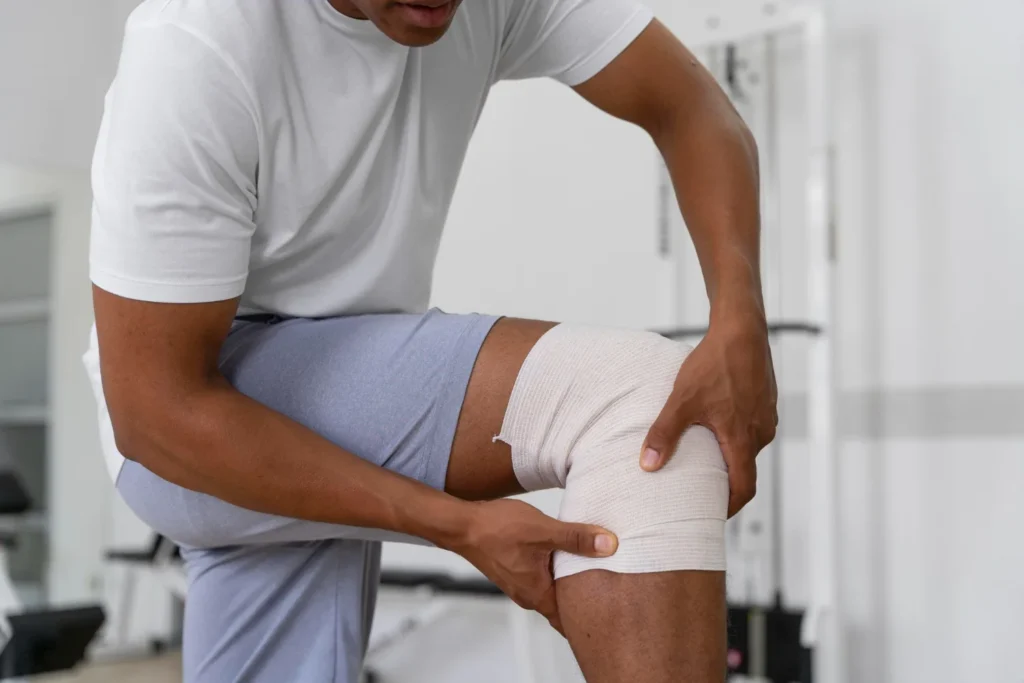
The procedure to replace the knee can transform lives providing the relief of chronic pain and increased mobility to those who suffer from arthritis severe or injuries. Knowing the knee replacement recuperation process is essential for making realistic plans and for ensuring an easy return to regular tasks.
As with all major operations, you’re likely to be concerned about the recovery process, particularly regarding how long the pain will persist following the procedure. Dr. Sunil Choudhary who explains what is typical in terms of pain and the factors that affect the recovery process, and what steps to take to deal with discomfort. Alleviate concerns and guarantee the smoothest healing.
Understanding Knee Replacement Surgery
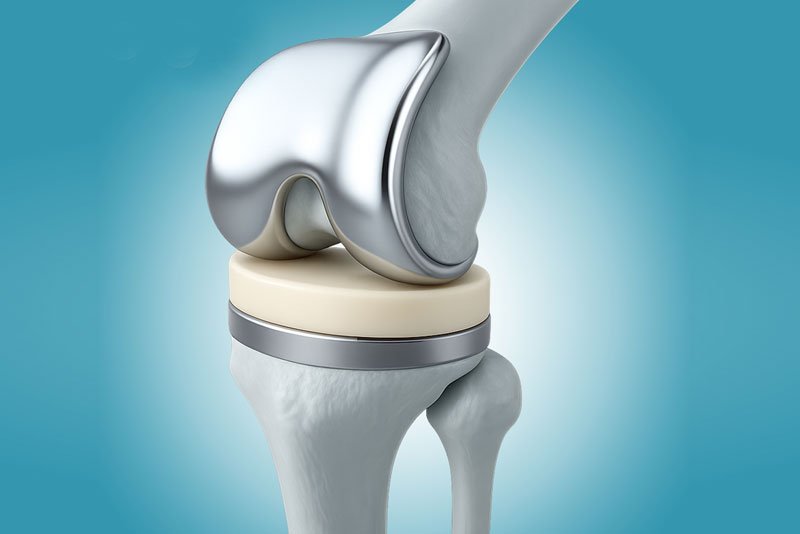
The procedure of knee replacement, often called knee arthroplasty, is a surgical procedure which replaces the damaged or injured knee joint using an artificial joint. The main objective of knee replacement surgery is to relieve joint pain, enhance mobility and improve the quality of life for all patients. There are two primary kinds of knee replacement surgery including total knee replacement and the partial replacement of knees.
For a total knee replacement, the whole knee joint will be replaced using an artificial joint made of plastic, metal or ceramic material. It is generally suggested for people suffering from extreme arthritis or severe joint injury.
However the partial knee replacement is replacing part of the knee joint. It is conserving as much original bone and tissues as is possible. This procedure is ideal for people who suffer from injuries that are limited to a particular area of the knee. Consulting the best knee replacement surgeon in Faridabad can help you understand whether this targeted approach is suitable for your condition and long-term mobility goals.
Knee replacement surgical procedure generally consists of the following actions:
- Preparation: Patient gets anaesthetic and prepared to undergo surgery.
- Incision: The surgeon creates an incision inside the knee area to gain access to the joint.
- Removal of tissue damaged: Surgery removes the damaged or arthritis-related tissues and bones.
- Implantation: The joint is surgically implanted to ensure that it is secure and works effectively.
- Closure: Incision shut and the patient taken to the recovery facility in order to start the healing process.
The knowledge gained from these tips can simplify the procedure and also ensure that patients know what they should expect from the knee replacement surgery in Faridabad.
Stages of Knee Replacement Surgery Recovery and Pain Duration
The recovery process following knee replacement will follow a predetermined timetable, with various periods of time when pain levels change:
Initial few days after surgery: The severe pain that will be felt during this time, which is controlled by powerful pain relievers. The swelling, stiffness and bruises are common.
Week 1 through Week 2: The pain should start to diminish, but will be evident, particularly when you begin moving your joint. At this point the medical team may reduce your dosage.
Week 3 through Week 6: In the last week, pain has significantly decreased, although it might persist during exercise for physical therapy. Stiffness and swelling should remain in a downward trend.
Week 7-12: The majority of patients notice significantly less pain, and significant improvement in mobility at this point. A little soreness after activity is common.
After 3 months: At this point, discomfort should be minimal although some sufferers may experience slight, irregular discomfort that lasts for as long as a year, as their body recovers. If you have chronic pain that doesn’t diminish in time, it could suggest chronic pain, which requires more medical attention.
Pain Management After Knee Replacement
As the best knee replacement clinic in Faridabad, the right pain management can be the key for an easy recuperation. The team at your healthcare provider will design an action plan which includes:
Medical Treatment: There is a chance that you will receive prescriptions for painkillers like paracetamol and anti-inflammatory medications, and perhaps opioids to use for a short period of time. OTC medications are also utilized to ease the pain.
Ice Therapy: The application of ice packs on the knee can help to reduce swelling and also numb the knee that in turn decreases discomfort.
Compression and elevation: Maintaining the legs elevated and using compression bandages to reduce swelling and ease discomfort.
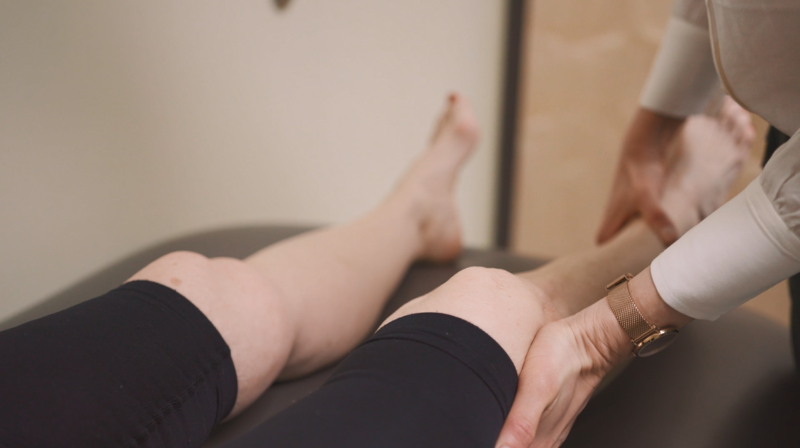
Therapy for physical impairment: Rehab exercises as early as possible is crucial in enhancing mobility and decreasing discomfort in the future. Begin slowly, and then progressing in a gradual manner is helpful.
Rest: Exercise in balance that includes plenty of rest in order for the knee to recover properly, without placing excessive stress upon the joint.
When to Seek Medical Attention
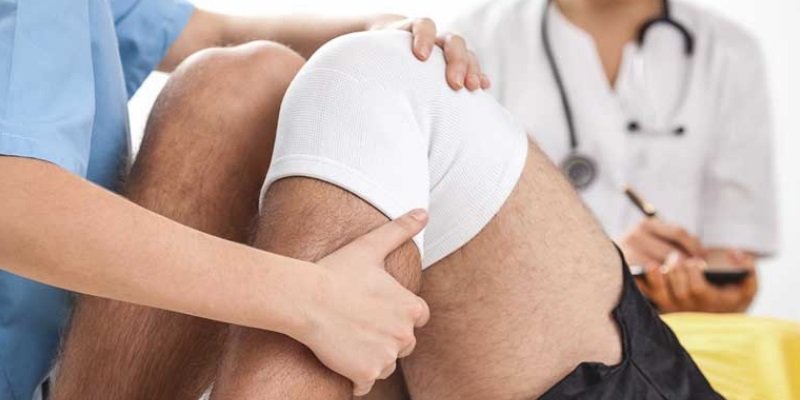
Although pain is an expected aspect of recovering certain signs could be indicative of complications, and prompt the patient to seek out knee pain doctor in Faridabad:
- It is a painful condition that gets worse rather than getting better after two weeks
- Atypical redness or warmth in the knee
- A chill or fever that is high
- A sudden, intense pain that is and a sensation of shakiness
- A severe swelling that isn’t responsive to elevation or ice
- Trouble breathing (which could indicate the presence of a blood clot)
If any of the symptoms develop, you should contact Dr. Sunil Choudhary as the best knee replacement doctor in Faridabad immediately. The monitoring of knee surgery is essential in order to make sure that your recovery is as smooth as possible and to address any problems promptly.
Importance of Physical Therapy
Physical therapy is vital to an effective recovery after the knee surgery. It not only helps strengthen and improve flexibility as well, it can also assist in reducing the pain. An individualized rehabilitation plan assists you in recovering your full mobility, increases circulation and speeds up the recovery process.
A consultation in conjunction with an professional physiotherapist will help you perform exercises in a correct manner, thus reducing chances of developing complications or chronic pain. Therapy is crucial following complete knee replacement surgery in order for proper healing and to restore fully mobility.
Long-Term Pain Expectations
A majority of patients have little or any pain following a complete recovery. Typically, it’s at the point of one year. Some may experience some discomforts, particularly after long periods of physical activity, or during winter months. You should continue to strengthen exercises, and be aware of your body’s needs to prevent overtraining. Recognizing the typical timeline for recovery and duration of knee replacements will help create realistic expectations for the longer-term results.
By implementing the correct strategy and guidance, patients will see the reduction of knee pain, and back to normal routines with improved mobility and overall quality of living. We are committed to providing individualized care to assist you in preventing and managing knee discomfort.
Our highly experienced staff of doctors and physiotherapists collaborate together to design individualized treatments, regardless of whether you’re suffering from persistent pain or need guidance on the best surgical option for knee pain. This includes knee replacements.