ACL Treatment in Faridabad: Surgery, Rehabilitation and Full Return to Sport

Robotic Knee Replacement Surgery in Faridabad: How Technology Is Transforming Joint Care
November 7, 2026
Best Osteoarthritis Specialist in Faridabad: A Complete Guide to Understanding and Treating OA
November 17, 2026
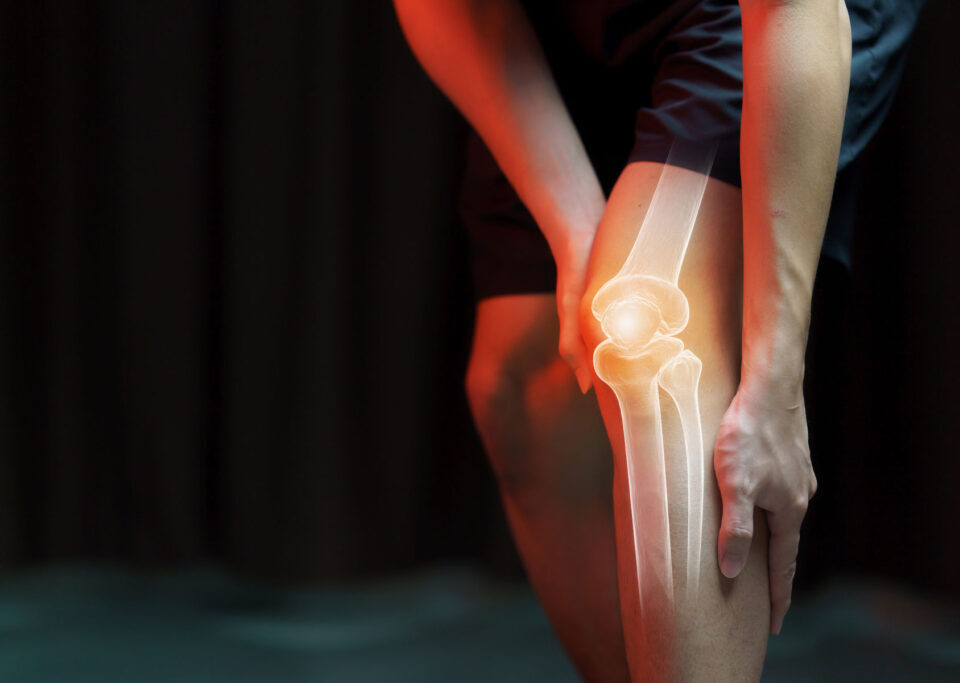
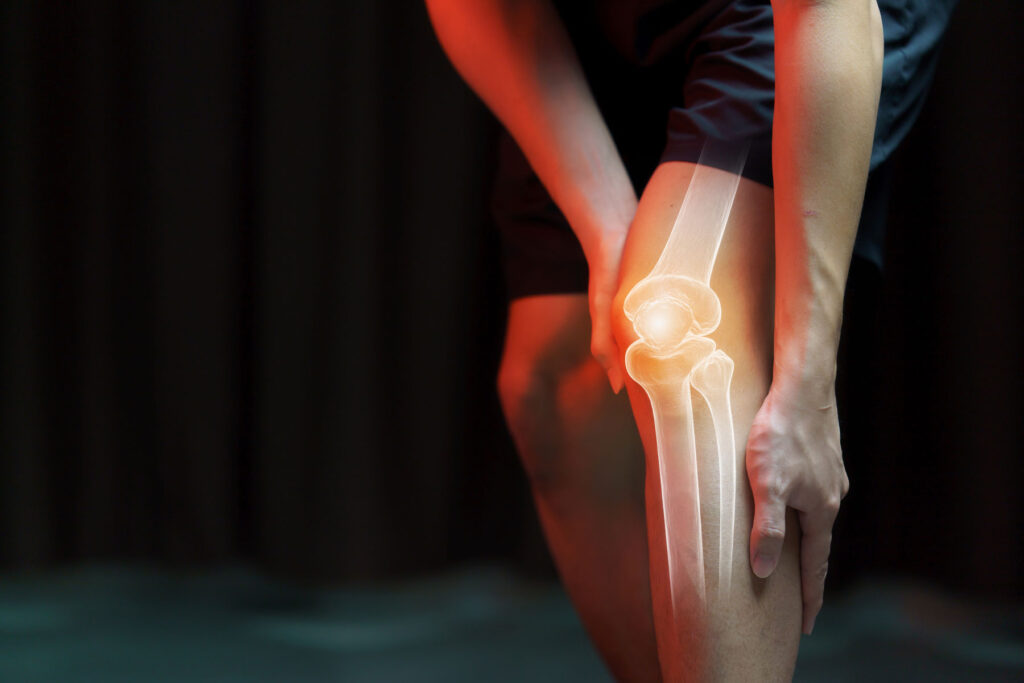
The pop. The immediate swelling. The knee that feels “wrong” even when you’re not putting weight on it. If you’ve experienced this — on the football pitch, on the badminton court, in a road accident, or even just stepping awkwardly off a kerb — you may have torn your anterior cruciate ligament (ACL).
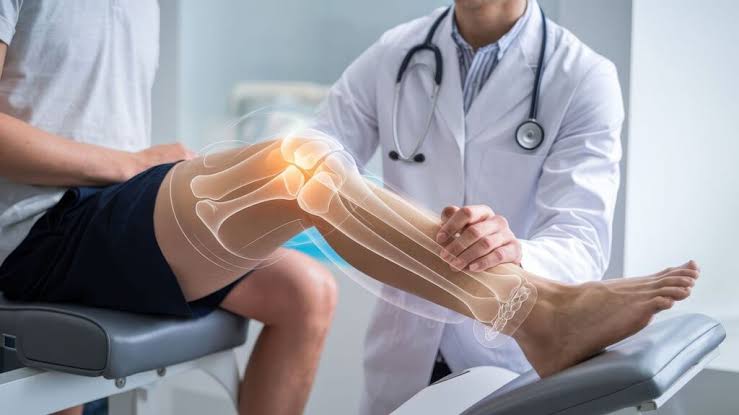
ACL treatment in Faridabad at Dr. Sunil Choudhary’s practice covers the complete management pathway: from accurate diagnosis and decision-making through to arthroscopic reconstruction and evidence-based rehabilitation — with a goal of returning every patient to their pre-injury level of activity.
What Is the ACL and Why Does It Matter?
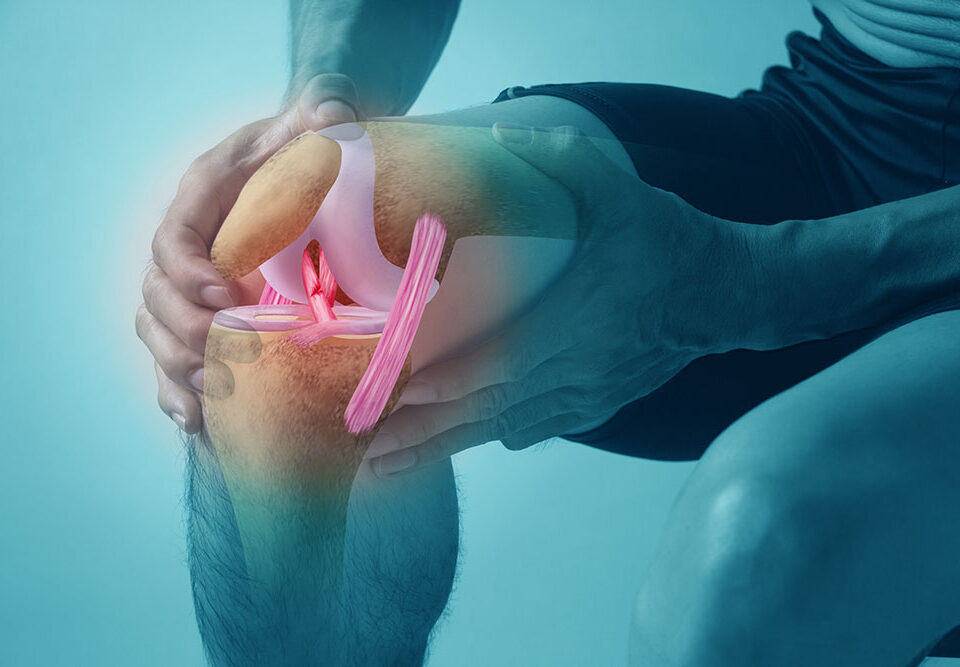
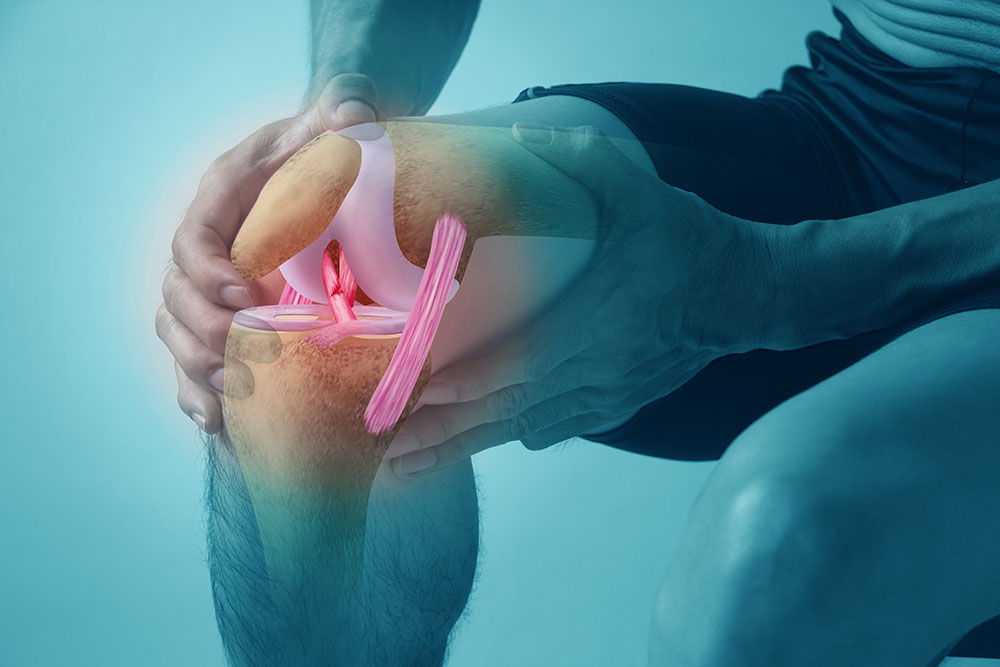
The anterior cruciate ligament connects the femur (thigh bone) to the tibia (shin bone), running diagonally through the centre of the knee. Its primary function is to prevent the tibia from sliding forward on the femur — controlling rotational stability of the knee. When it tears, the knee loses this rotational control. The practical result: pivoting movements, cutting, landing from a jump, or even walking on uneven ground can cause the knee to “give way.”
A knee that gives way repeatedly causes secondary damage: meniscus tears (cartilage cushion between femur and tibia), cartilage damage (articular cartilage on the bone surfaces), and early osteoarthritis (accelerated by repeated instability episodes). This is why prompt, accurate management of ACL injuries matters.
How ACL Tears Happen: Common Mechanisms in Faridabad
ACL tears are overwhelmingly non-contact injuries. The most common mechanisms:
- Pivoting or cutting suddenly while the foot is planted (football, cricket, basketball, badminton)
- Landing from a jump with the knee in an inward valgus position
- Deceleration — slowing sharply from a sprint
- Road accidents — dashboard injury; hyperextension trauma
- Missing a step — the leg giving way on a kerb or stairs
Diagnosing an ACL Tear in Faridabad
Clinical Examination
Three clinical tests are highly reliable: Lachman test (the most sensitive), Anterior drawer test, and Pivot shift test. A positive pivot shift confirms ACL-deficient knee.
MRI
MRI is the confirmatory investigation — it shows the ACL tear (complete vs partial), any associated meniscus injury, cartilage damage, and bone bruising. Approximately 50% of complete ACL tears are associated with a meniscus tear.
ACL Treatment in Faridabad: Surgery vs. Conservative Management
Who Can Be Managed Without Surgery?
Older patients (over 50) with low activity demands who do not play pivoting sports; patients who successfully adapt their activity with no giving-way episodes; and partial ACL tears where enough fibres remain to provide useful stability. Conservative management uses intensive physiotherapy focused on hamstring strengthening, proprioception training, and gradual return to activity.
Who Needs ACL Reconstruction Surgery in Faridabad?
Surgery is recommended for: young, active patients who want to return to pivoting sports (football, cricket, badminton, hockey, volleyball); patients with instability episodes despite physiotherapy; associated meniscus or cartilage injury requiring arthroscopic treatment; and ACL tear with concurrent PCL or collateral ligament injury.
Arthroscopic ACL Reconstruction: What the Surgery Involves
Graft choice: Hamstring tendon autograft (most common in India); Patellar tendon autograft (gold standard for high-demand athletes); Quadriceps tendon autograft; or Allograft (donor tendon) for revision cases.
The procedure: Surgery takes 60–90 minutes under spinal anaesthesia. Through 2–3 small portals (5–10 mm), the damaged ACL is removed, tunnels are drilled at the anatomical ACL footprint, the graft is passed through and fixed with screws or cortical buttons. Any concurrent meniscus injury is addressed in the same session.
ACL Rehabilitation: The Most Important Phase
Surgery is 30% of ACL treatment. Rehabilitation is 70%.
- Phase 1 (0–2 weeks): Control swelling and pain. Restore full extension. Begin quadriceps activation.
- Phase 2 (2–6 weeks): Restore full range of motion. Begin closed-chain strengthening.
- Phase 3 (6–12 weeks): Progressive strengthening — single-leg exercises, proprioception training.
- Phase 4 (3–5 months): Running programme. Sport-specific agility drills.
- Phase 5 (5–9 months): Return-to-sport testing — strength symmetry >90%, hop test, psychological readiness.
Return to competitive sport at 9 months minimum — not 6 months. Studies show that returning before 9 months more than doubles the re-rupture risk.
Book Your ACL Assessment in Faridabad
Dr. Sunil Choudhary | MS (Orthopaedics) | Best ACL Specialist in Faridabad | Bring your MRI if you have one. Same-week appointments available. Visit drsunilchoudhary.in to book.
Author & Medical Review
Dr. Sunil Choudhary, MS (Orthopaedics) — ACL specialist in Faridabad performing arthroscopic ACL reconstruction and associated meniscus, PCL, and cartilage repair.
FAQs
How do I know if I’ve torn my ACL?
The classic presentation is: a pop at the time of injury (heard or felt), immediate swelling of the knee within 2–4 hours, and a feeling of instability — the knee feels “loose” or gives way when you pivot or cut. MRI is the confirmatory test.
Can an ACL tear heal without surgery?
The ACL has very limited capacity for self-healing. However, many patients manage successfully without surgery through physiotherapy-based hamstring strengthening and activity modification. Surgery is recommended for patients who want to return to pivoting sports or who have ongoing instability.
How long is recovery after ACL surgery in Faridabad?
Return to light activity: 6 weeks. Return to running: 3–4 months. Return to competitive sport: minimum 9 months. The most common mistake is returning to sport too early — it more than doubles the re-rupture risk.
What is the success rate of ACL reconstruction?
Modern arthroscopic ACL reconstruction with appropriate graft choice and rehabilitation has a 90–95% success rate for returning patients to their pre-injury activity level. Re-rupture rate is 5–10% — highest in young patients who return to pivoting sports early.
Can a PCL tear be treated at the same time as ACL reconstruction in Faridabad?
A. Yes. Combined ACL and PCL injury (multi-ligament knee injury) is managed in a staged or same-session reconstruction depending on the clinical picture. Dr. Sunil Choudhary has experience with complex multi-ligament knee reconstruction.